


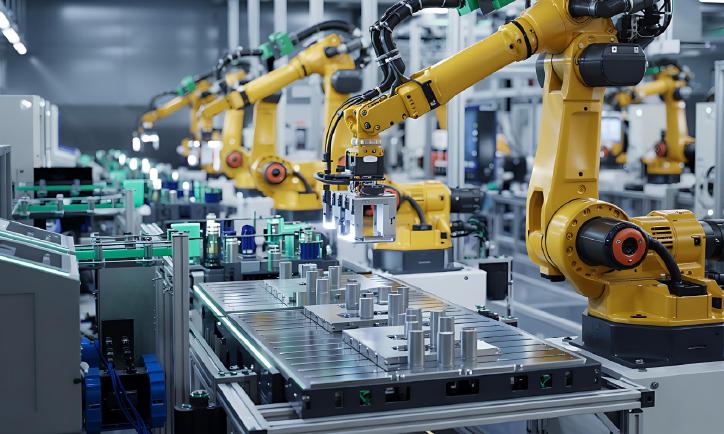


Today’s engineering customers don’t simply request parts — they demand tight tolerances, certified quality, rapid lead times, and end-to-end traceability. Yet as these expectations grow, the pool of engineering talent capable of meeting them is shrinking. The question facing our industry is no longer hypothetical: where will the next generation of engineers come from?
From universities to vocational institutions, maker communities to deep-tech startups, next-generation talent will emerge from diverse backgrounds, disciplines, and geographies. But to attract and retain them, the manufacturing sector must fundamentally evolve — not just in the work it offers, but in how it presents itself.
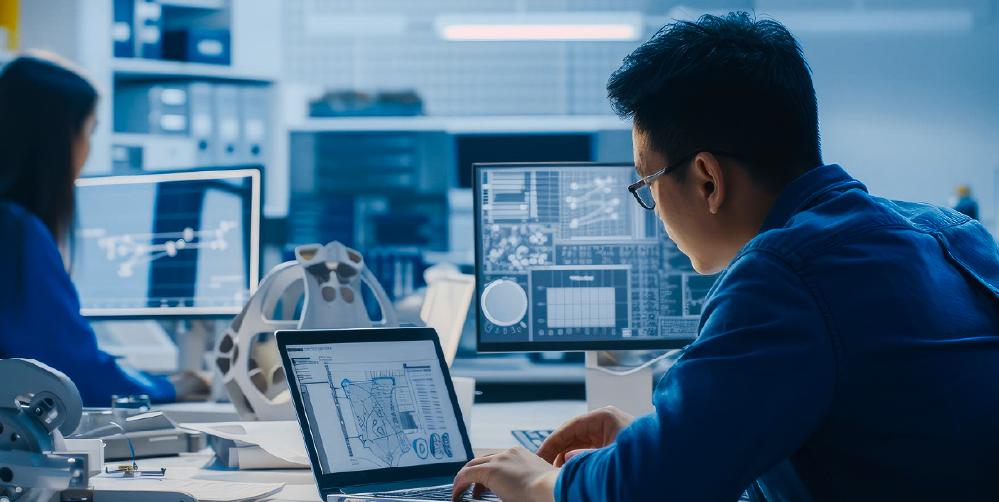
Why Traditional Engineering Pipelines Are Shrinking
The decline in manufacturing’s talent pipeline isn’t a sudden shift — it’s a slow erosion driven by perception, compensation gaps, and a failure to modernize the industry’s image.
Fewer Students Are Choosing Mechanical Paths
Mechanical engineering was once among the most sought-after disciplines. Today, universities across North America and Europe report declining enrollment in mechanical, machining, and manufacturing-focused programs. Interest in engineering hasn’t disappeared — it’s migrated toward software, AI, and data science, where the perceived opportunities are greater.
The Software Career Perception Gap
Young professionals increasingly view software engineering as the superior career choice: remote-friendly, fast-tracked for promotion, and more financially rewarding. Manufacturing, by contrast, is perceived as rigid, location-dependent, and slower to reward talent. Whether this perception is fully accurate matters less than its effect on recruitment.
DEK Perspective
At DEK Manufacturing, over 30% of our technical workforce joined within the last three years. We’ve invested heavily in digital infrastructure, mentoring programs, and collaborative engineering environments — because we know that attracting top talent starts with building a workplace where modern engineers want to be
What Factories Must Do to Attract This Generation
Young engineers overwhelmingly prefer workplaces that prioritize:
- Automated, data-driven, and digitally mature production environments
- Clear career growth pathways with mentoring and continuing education
- Collaborative cultures where their ideas and contributions are valued
- Modern tooling and technology that reflects the state of the art
- Transparent communication about quality standards, processes, and expectations
Factories that still operate with outdated equipment, opaque hierarchies, and no investment in digital infrastructure will struggle to recruit — and even more to retain — top engineering talent. The competition isn’t just other manufacturers; it’s every tech company, consultancy, and startup vying for the same analytical, technically skilled individuals.
The Bottom Line
The next generation of engineers will come from diverse backgrounds and bring new expectations. The manufacturers who invest in modern environments, cross-disciplinary collaboration, and meaningful growth opportunities won’t just fill open roles — they’ll build the teams that define the industry’s next chapter.


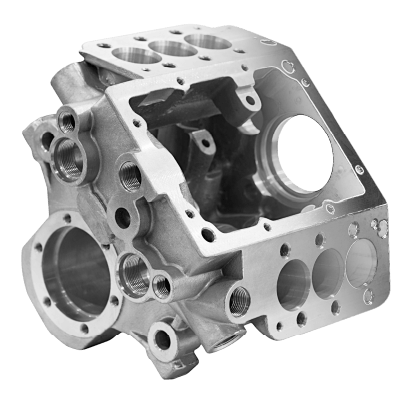








The talent gap in precision manufacturing isn't a workforce problem — it's a perception problem. The engineers we need exist. We just haven't shown them what modern manufacturing actually looks like.
— DEK Manufacturing LeadershipFuture engineers won't just operate machines — they'll orchestrate systems. The factories that prepare for this shift will attract the best minds in the field.
— Industry Workforce Development Report, 2024