

CNC Machining Aluminum

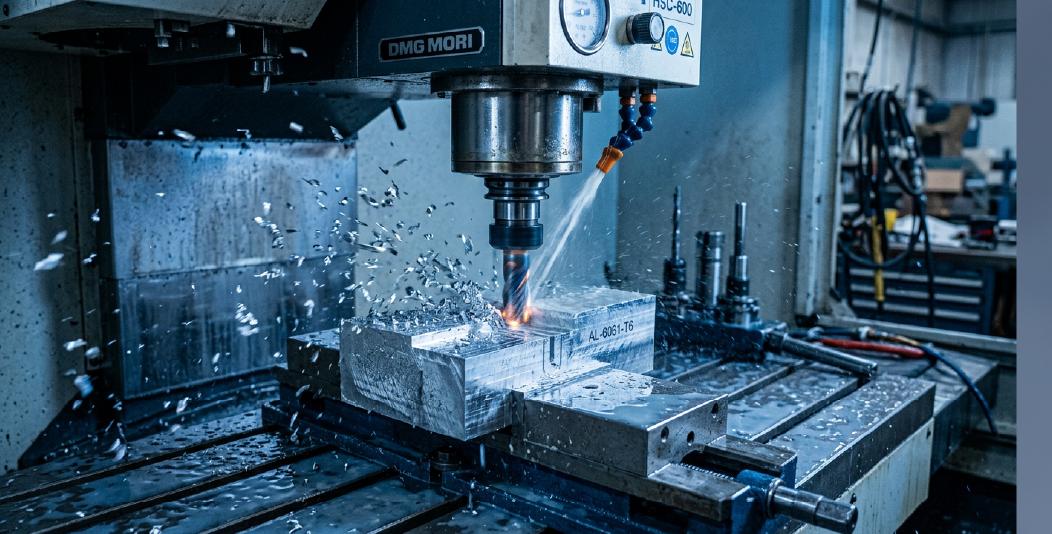
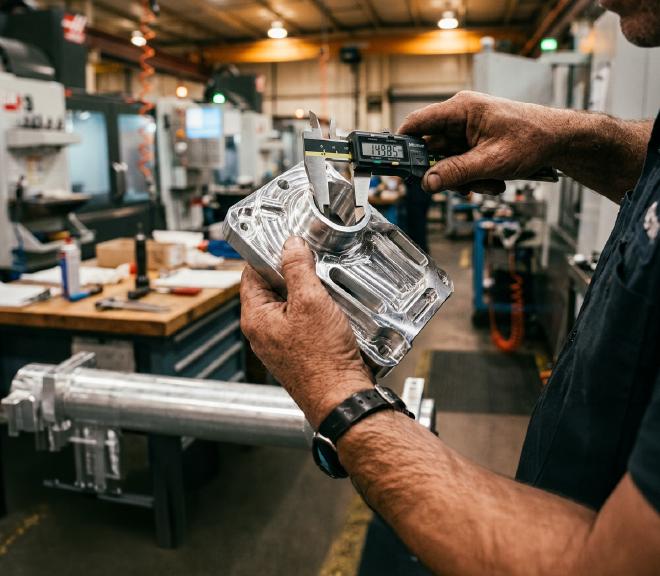
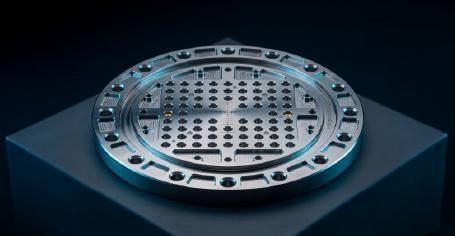
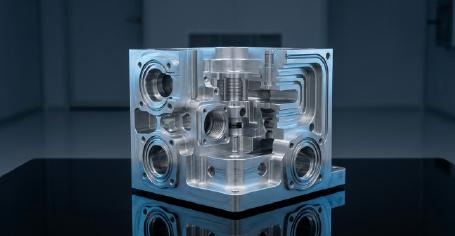
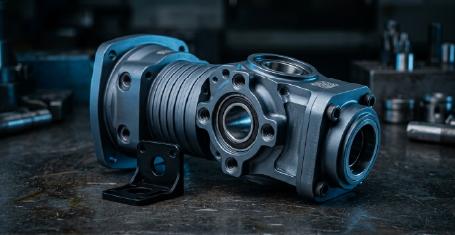
DEK specializes in precision aluminum machining across all major alloy series. Our advanced 3-, 4-, and 5-axis CNC equipment delivers tight tolerances of ±0.005mm on complex geometries — making us the preferred partner for aerospace, medical, and high-tech industries.

  • 12+

    Aluminum Grades

  • ±0.005mm

    Tolerance Capability

  • 3 Days

    Prototype Lead Time

ISO 9001 Certified Controlled processes & documentation

What Makes Aluminum Ideal for CNC Machining?

Aluminum is the third-most abundant element in Earth’s crust, comprising roughly 8% of its weight. As a lightweight, non-ferrous metal extracted from bauxite ore, it became commercially viable after the development of the Hall–Héroult process in 1886. Today, it remains the most widely machined non-ferrous metal in the world.

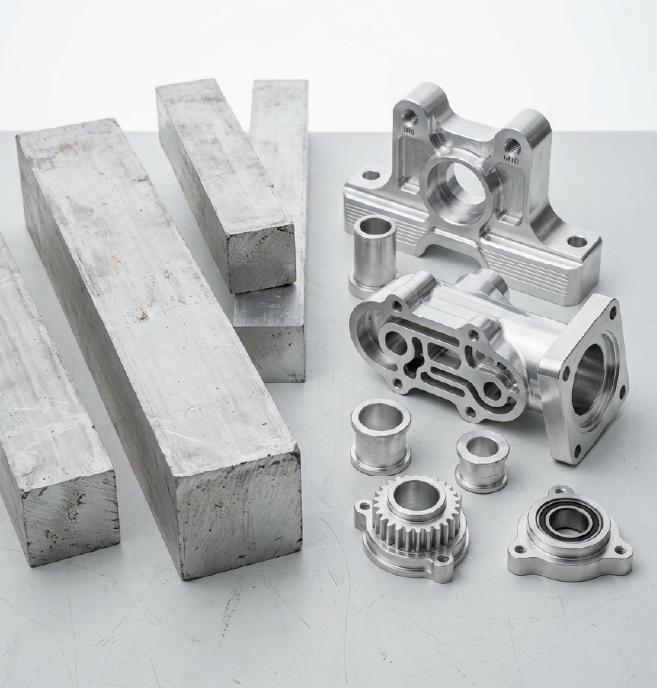
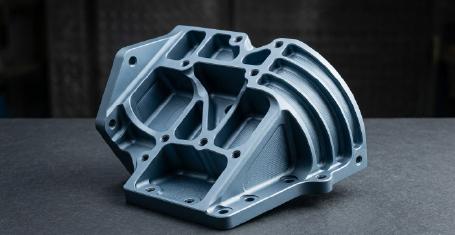
At DEK, we machine all major aluminum alloy families — from the high-strength 2xxx and 7xxx aerospace series to the versatile 5xxx and 6xxx general-purpose alloys. Our CNC milling machines, CNC lathes, and precision grinding equipment handle everything from simple aluminum cutting to multi-axis complex geometries. Combined with our certified quality processes and in-house anodizing capabilities, we deliver production-ready aluminum parts that meet the strictest industry standards.

  • Lightweight with high strength-to-weight ratio

  • Natural oxide layer provides corrosion resistance

  • Excellent thermal & electrical conductivity

  • 100% recyclable without property loss

Aluminum Material Properties

The combination of mechanical, thermal, and chemical properties makes aluminum alloys exceptionally versatile for precision-machined components.

  • Density

    2.7 g/cm³

    Approximately one-third the density of steel, enabling significant weight savings in structural and aerospace applications without sacrificing performance.

  • Tensile Strength

    70–570 MPa (varies by alloy)

    Ranges widely across alloy series. 7075-T6 achieves up to 570 MPa, rivaling some steels while remaining far lighter.

  • Thermal Conductivity

    120–235 W/m·K

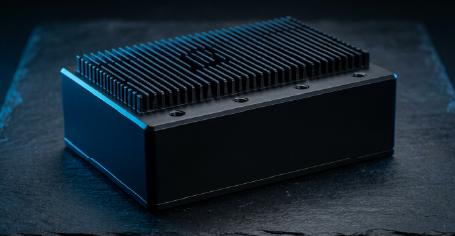
    Excellent heat dissipation capability makes aluminum ideal for heat sinks, radiators, and thermal management components.

  • Electrical Conductivity

    ~61% IACS

    Outstanding electrical conductivity at roughly 61% of copper's, widely used in power transmission lines, bus bars, and electronic enclosures.

  • Corrosion Resistance

    Excellent (natural oxide layer)

    Forms a self-healing aluminum oxide layer that protects against environmental degradation. Can be further enhanced through anodizing.

  • Machinability

    Excellent — up to 5× faster than steel

    Aluminum machines cleanly at high speeds with excellent chip formation, reducing cycle times and tooling wear compared to ferrous metals.

  • ±0.005mm

    Tightest achievable tolerance

  • Ra 0.2μm

    Best surface finish available

  • ±0.005mm

    Tightest achievable tolerance

  • Ra 0.2μm

    Best surface finish available

How We Machine Aluminum at DEK

Aluminum's superior machinability enables high-speed cutting, tight tolerances, and excellent surface finishes — when handled with the right expertise.

  • 1

    High-Speed Cutting

    Aluminum allows spindle speeds 3–5× higher than steel, dramatically reducing cycle times. We optimize feed rates per alloy to maximize efficiency while maintaining dimensional accuracy.

  • 2

    Built-Up Edge Prevention

    Softer alloys like 6061 can form built-up edge on tooling. We use polished carbide tools, appropriate coatings, and optimized coolant strategies to ensure clean, burr-free cuts.

  • 3

    Thermal Management

    Despite aluminum's excellent thermal conductivity, thin-walled features can distort under heat. Our fixture design and adaptive machining strategies maintain dimensional stability throughout the cut.

  • 4

    Surface Finish Quality

    We routinely achieve Ra 0.8μm or better on aluminum parts. For optical or cosmetic applications, mirror-polished finishes down to Ra 0.2μm are available.

Aluminum Alloy Grades We Machine

We stock and machine 12+ aluminum alloys across all major series. Each grade is selected for specific performance characteristics to match your application requirements.

Where Aluminum Parts Are Used

From spacecraft housings to consumer electronics, precision-machined aluminum components serve critical roles across virtually every industry.

  • Aerospace & Defense
    Structural brackets, spacecraft housings, avionics enclosures, and flight-critical components requiring high strength at minimal weight.
    Structural Brackets Housings Enclosures
  • Electronics & Semiconductor
    Heat sinks, chassis, connector housings, and wafer handling components where thermal management and precision are paramount.
    Heat Sinks Chassis Connectors
  • Automotive & Motorsport
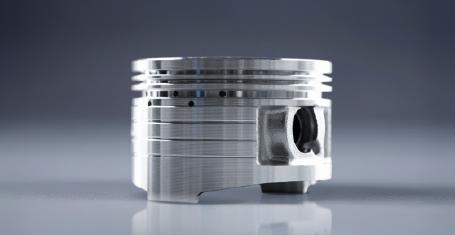
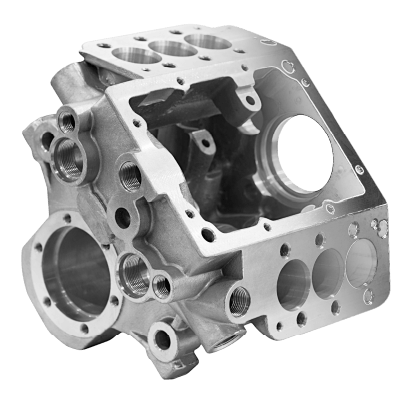
    Engine blocks, transmission housings, suspension components, and wheel assemblies that benefit from aluminum's strength-to-weight advantage.
    Engine Parts Suspension Wheels
  • Medical Devices
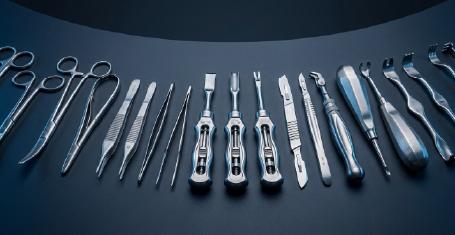
    Surgical instrument housings, diagnostic equipment frames, and prosthetic components requiring biocompatibility and precision finishes.
    Instrument Housings Frames Fixtures
  • Robotics & Automation
    Robotic arm joints, actuator housings, end effectors, and structural frames where low inertia and rigidity are essential.
    Robot Arms Actuators End Effectors
  • Energy & Industrial
    Solar panel frames, wind turbine components, power cable conductors, and industrial equipment housings for harsh environments.
    Solar Frames Conductors Housings

Surface Finishing Options for Aluminum

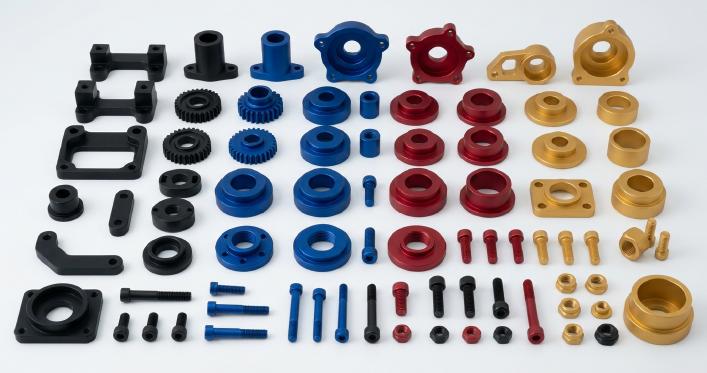
Enhance the appearance, durability, and functional performance of your aluminum parts with our in-house and partner finishing capabilities.

Surface Treatments

Not seeing the option you’re looking for? Have our experts assist you!

Frequently Asked Questions

Common questions from aerospace procurement and engineering teams.

How Much Does It Cost To CNC Aluminum?
CNC aluminum machining costs depend on part complexity, tolerances, alloy grade, quantity, and surfacefinishing requirements. Simple parts in 6061 aluminum typically start from $15–$50 per unit at prototypequantities. High-complexity 5-axis parts in 7075-T6 with tight tolerances can range from $50–$300+. Contact uswith your drawings for an accurate quote — we respond within 24 hours.
What Is CNC Aluminum Machining?
CNC aluminum machining costs depend on part complexity, tolerances, alloy grade, quantity, and surfacefinishing requirements. Simple parts in 6061 aluminum typically start from $15–$50 per unit at prototypequantities. High-complexity 5-axis parts in 7075-T6 with tight tolerances can range from $50–$300+. Contact uswith your drawings for an accurate quote — we respond within 24 hours.
Is Aluminum Or Aluminium Correct?
CNC aluminum machining costs depend on part complexity, tolerances, alloy grade, quantity, and surfacefinishing requirements. Simple parts in 6061 aluminum typically start from $15–$50 per unit at prototypequantities. High-complexity 5-axis parts in 7075-T6 with tight tolerances can range from $50–$300+. Contact uswith your drawings for an accurate quote — we respond within 24 hours.
Is Aluminum Stronger Than Steel?
CNC aluminum machining costs depend on part complexity, tolerances, alloy grade, quantity, and surfacefinishing requirements. Simple parts in 6061 aluminum typically start from $15–$50 per unit at prototypequantities. High-complexity 5-axis parts in 7075-T6 with tight tolerances can range from $50–$300+. Contact uswith your drawings for an accurate quote — we respond within 24 hours.
Which Is Cheaper,Aluminum Or Steel
CNC aluminum machining costs depend on part complexity, tolerances, alloy grade, quantity, and surfacefinishing requirements. Simple parts in 6061 aluminum typically start from $15–$50 per unit at prototypequantities. High-complexity 5-axis parts in 7075-T6 with tight tolerances can range from $50–$300+. Contact uswith your drawings for an accurate quote — we respond within 24 hours.

Other Materials